On 9 June 2026, the Digital Rural project organised its 10th Interregional Learning Event, hosted online by University of Ljubljana. The topic was selected in response to growing interest among project partners in solutions that improve accessibility, connectivity and service delivery in rural areas. The event showcased complementary approaches to improving access to services in rural areas, including digital mobility solutions, mobile digital support services and national support systems.
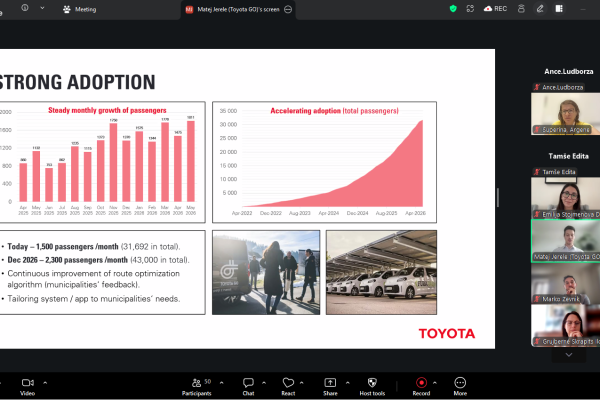
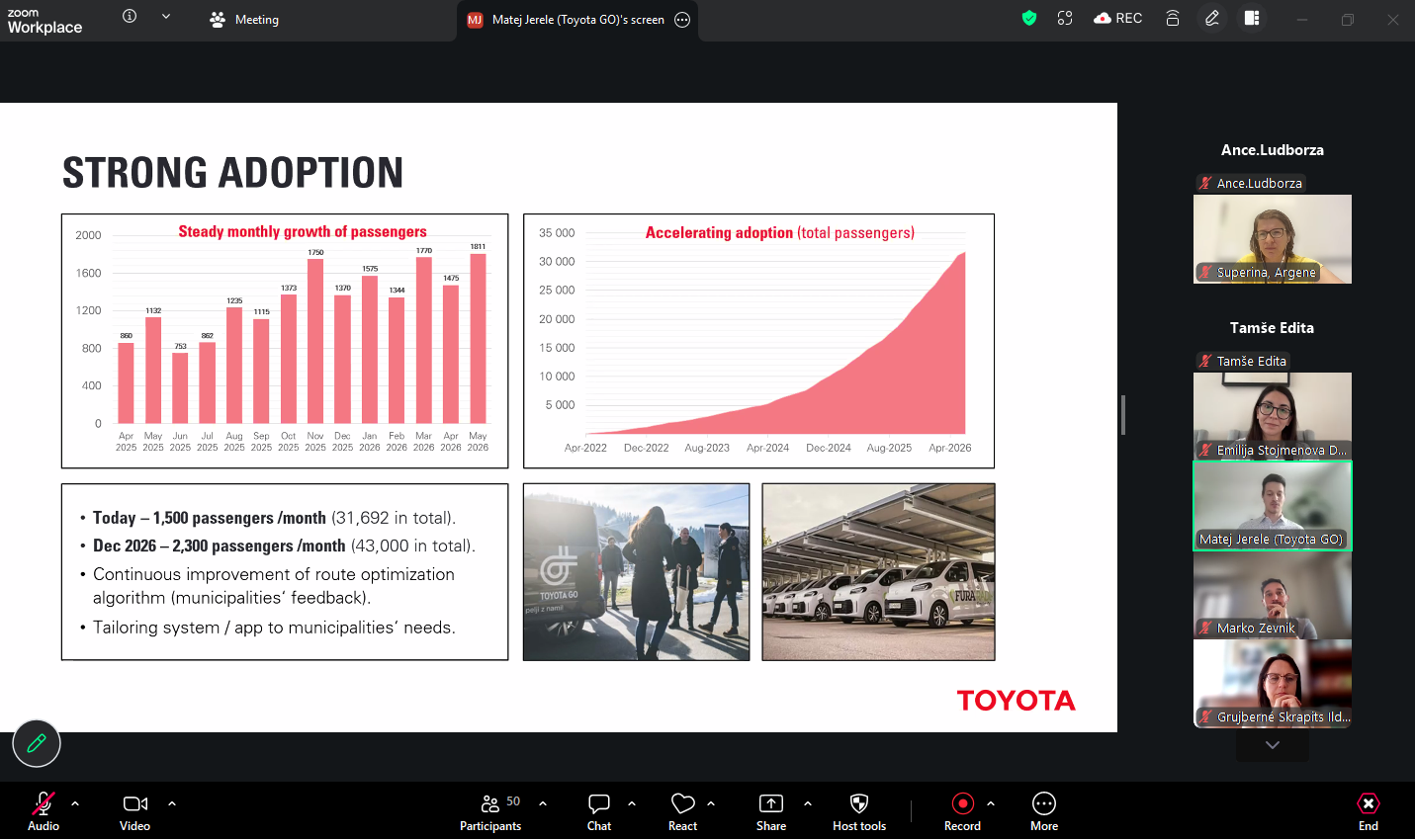
The first two presentations were delivered by Marko Zevnik and Matej Jerele, co-founders of the Sopotniki and Toyota GO initiatives. They presented two complementary digital mobility solutions that address accessibility challenges in rural areas, particularly for older residents. The presentations highlighted how the two services work together to provide flexible transport options, combining digital on-demand mobility with personalised support for users who require additional assistance. The examples demonstrated how technology, local partnerships and innovative organisational models can improve access to transport and everyday services in rural communities.
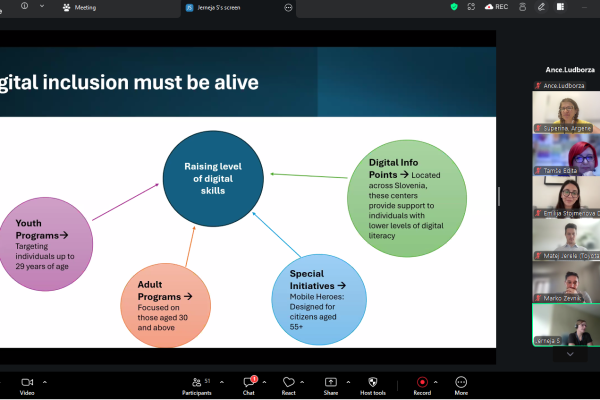
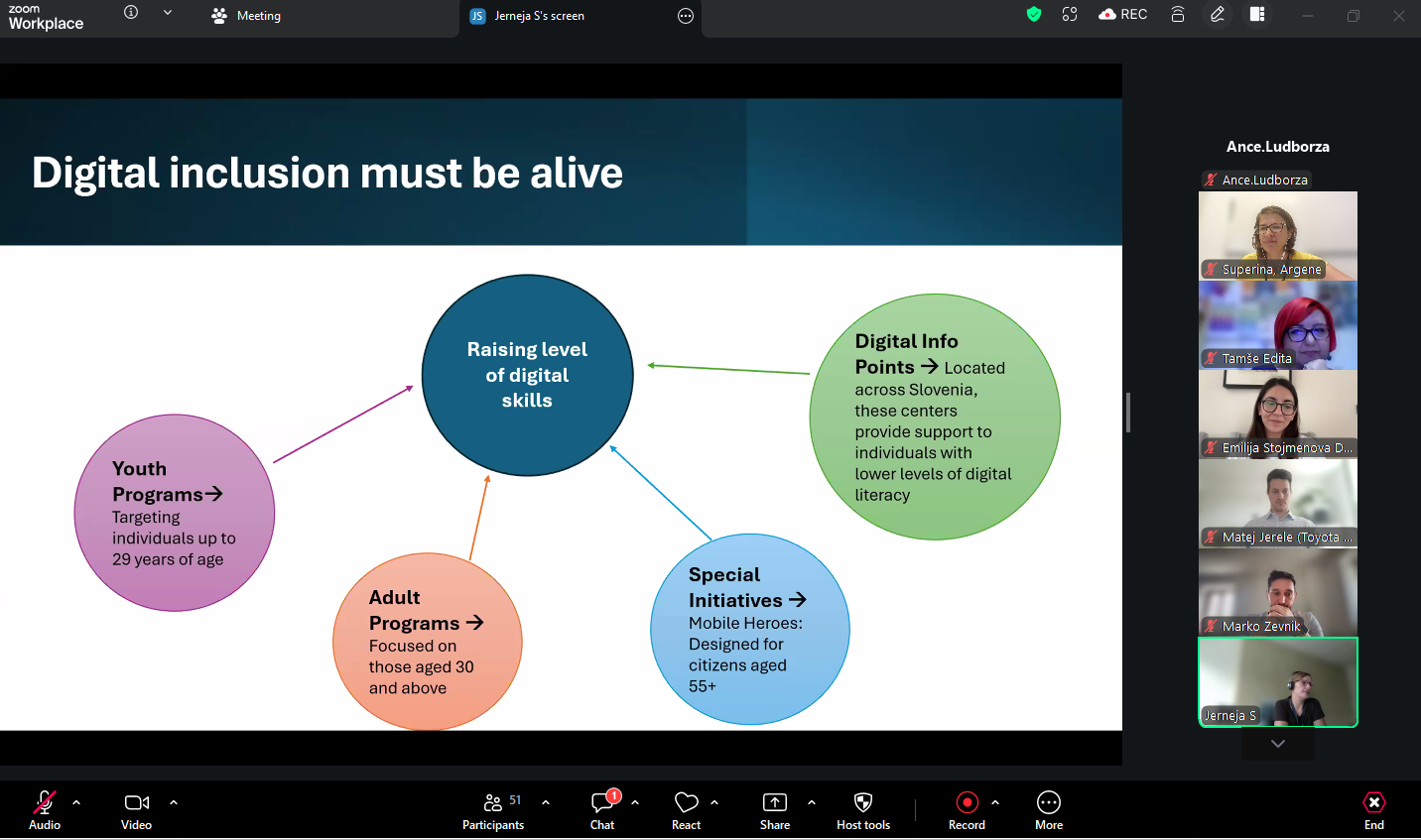
Edita Tamše from Ljudska univerza Velenje then presented Mobilni Heroji, a mobile approach to digital inclusion that brings knowledge, support and digital services directly to residents of remote and underserved communities. The presentation demonstrated how tailored mobile units can help strengthen digital competences, reduce exclusion and respond to local needs.
The final presentation was delivered by Jerneja Stanišič from the Ministry of Internal Affairs and Public Administration, who introduced the Digi Info Points initiative. The nationwide network provides citizens with free support in accessing digital public services and represents an important element of Slovenia’s efforts to improve digital inclusion, particularly in rural areas.
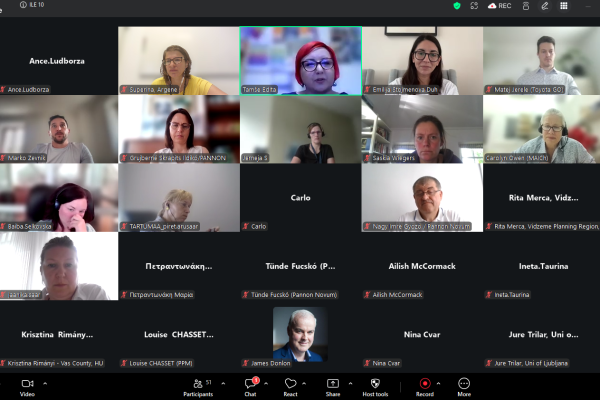
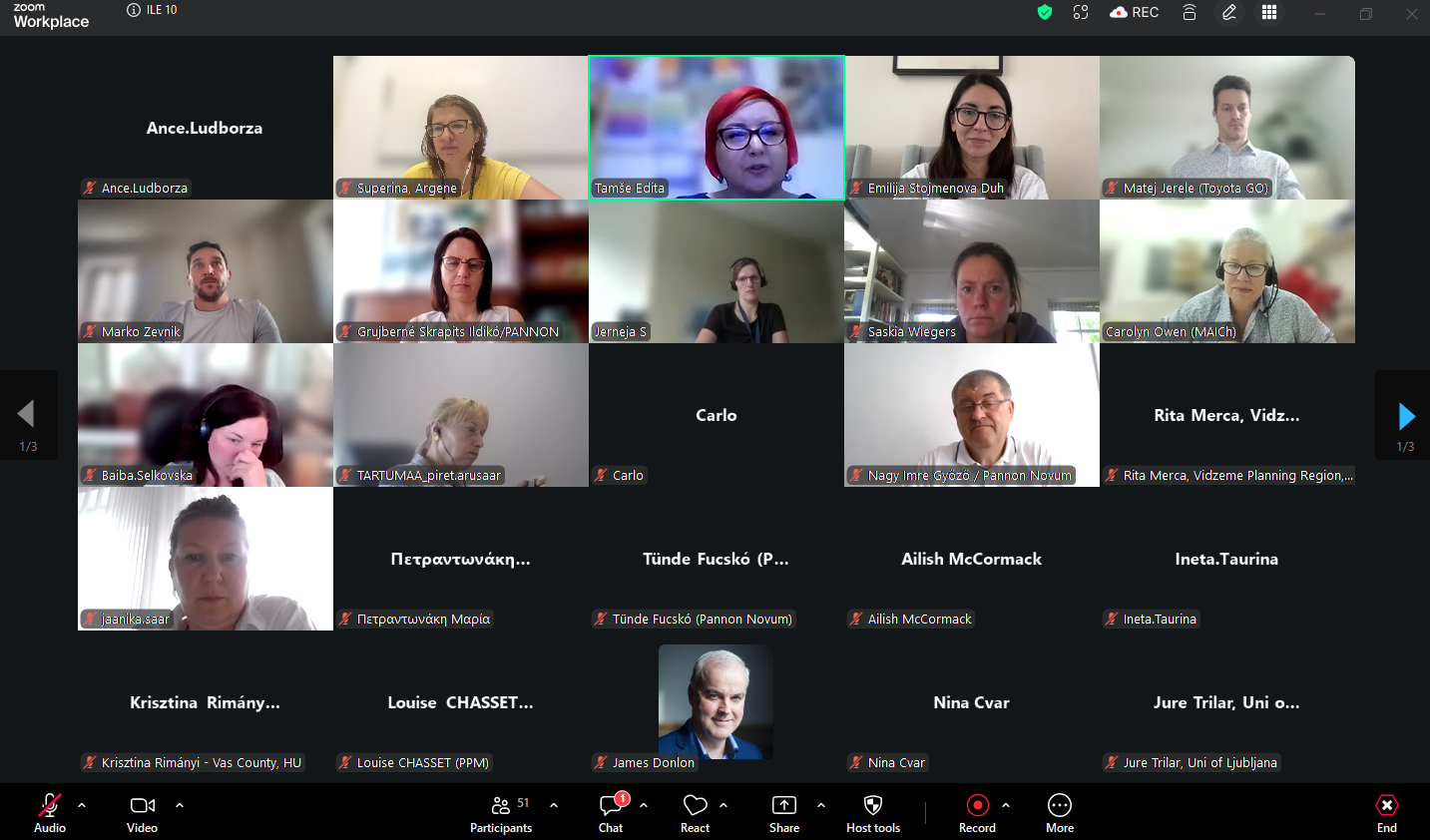
The event attracted 59 participants and generated very positive feedback. Participants particularly appreciated the practical examples, clear presentations and the positive atmosphere of the event. One participant described the session as “inspiring to see the provision of needed services with love, care and enthusiasm”.
By bringing together examples of mobility, digital skills support and public service accessibility, the event contributed to the exchange of good practices and supported the Digital Rural project’s objective of fostering more inclusive, connected and resilient rural communities.